Before there was a coordinated effort to protect the Great Lakes from invasive carp, states within the Mississippi River basin were working to manage the evolving impacts of their growing presence. Those efforts go back to the 1970s when invasive carp first entered the lower Mississippi River and quickly multiplied and gradually spread in every direction. As invasive carp became abundant in the Mississippi River and several of its tributaries, states and other natural resource managers realized the need for more coordinated management.
2007
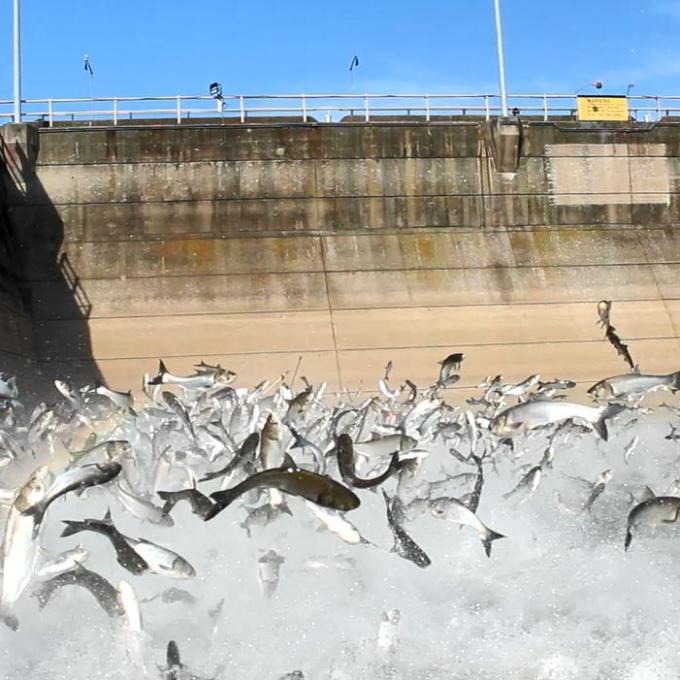
In 2007, the U.S. Fish and Wildlife Service led an effort with states and other federal agencies to develop the Management and Control Plan for Bighead, Black, Grass, and Silver Carps in the United States. This was the first time partners came together to formalize a broad, coordinated effort to manage invasive carp. The national plan provided overarching guidance for partnerships that were formed later—such as the Invasive Carp Regional Coordinating Committee—that focus on management in specific geographic areas.
Management and Control Plan for Bighead, Black, Grass, and Silver Carps in the United States

2009
In 2009, a detection of invasive carp environmental DNA and subsequently a live bighead carp in the Chicago area waterway—the area connecting the Illinois River to Lake Michigan—prompted the formation of a multi-agency rapid response workgroup to safeguard the Great Lakes from the spread of invasive carp.
2010
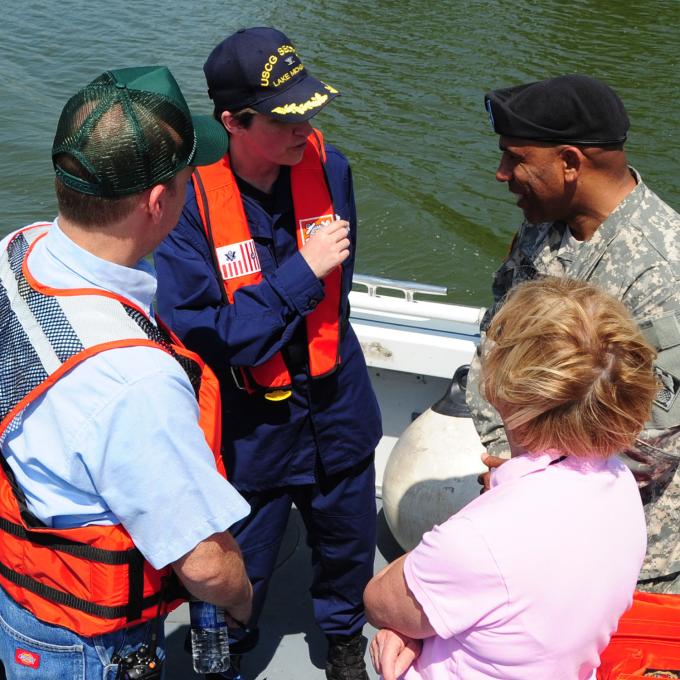
In 2010, the Great Lakes workgroup was formalized and later became known as the Invasive Carp Regional Coordinating Committee. Members include 26 state, provincial, federal, tribal and municipal agencies and bi-national commissions, with the U.S. Environmental Protection Agency and U.S. Fish and Wildlife Service serving as co-chairs. The 2007 Management and Control Plan for Bighead, Black, Grass, and Silver Carps in the United States helped guide the nascent partnership, which now develops its own annual plan for carrying out priority projects.
2010
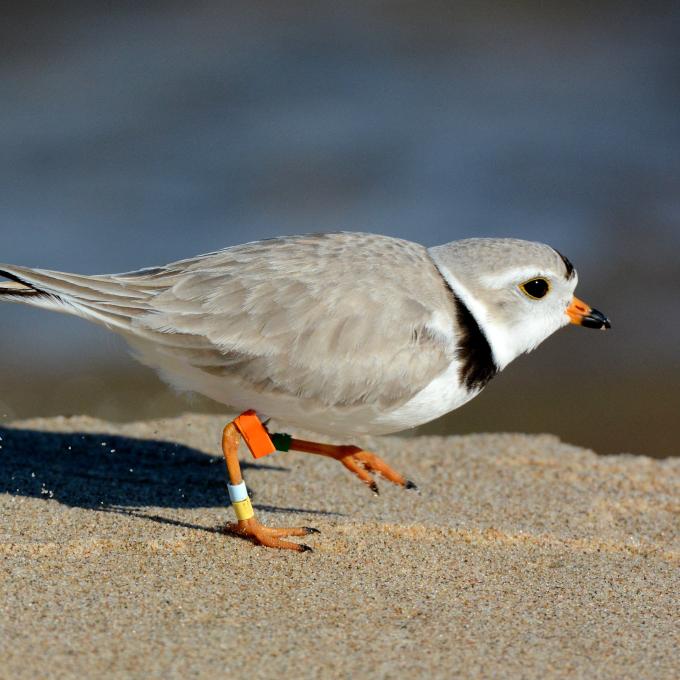
Also in 2010, the U.S. Congress passed the Great Lakes Restoration Initiative targeting the most significant threats to the health of the Great Lakes and accelerating environmental protection and restoration. This regional investment—consistently funded over more than 15 years—is provided through the U.S. Environmental Protection Agency to enhance natural resource agency funding and make more progress possible. The Great Lakes Restoration Initiative supports the highest priority environmental efforts, including invasive carp work for Great Lakes protection.
2014
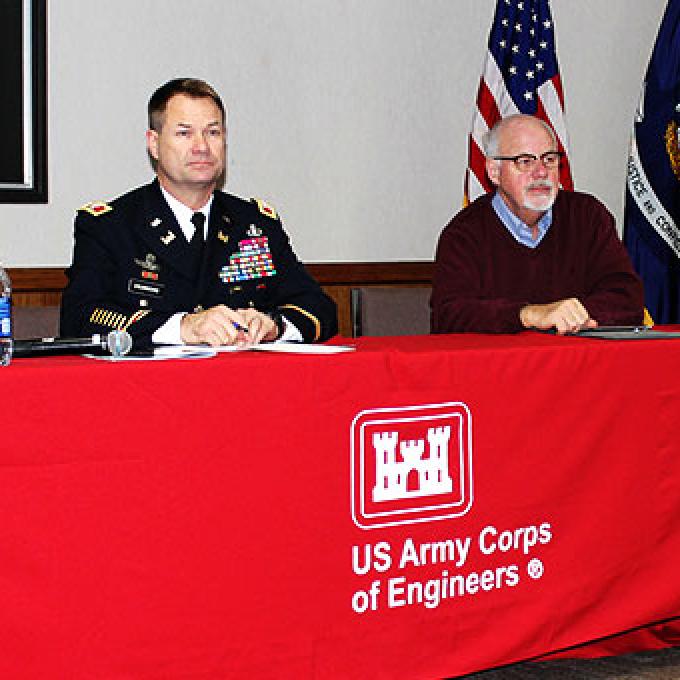
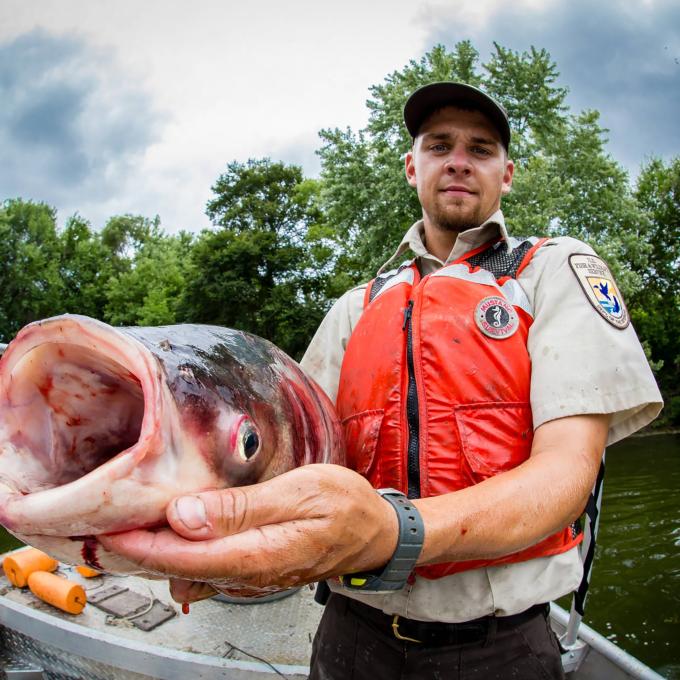
In 2014, the U.S. Army Corps of Engineers completed the Great Lakes and Mississippi River Interbasin Study, presenting a range of options to prevent invasive species movement along aquatic pathways between the Mississippi River and Great Lakes basins. The study includes a focus on the Chicago area waterway, the only continuous connection between the two basins, and other intermittent connections along the 1,500-mile-long divide. Since that time, barriers have been constructed at two of three high-risk intermittent pathway areas identified in the study and the first phase of construction on the third was completed in 2025.
2014
Also in 2014, coordination among states and federal agencies was strengthened when the U.S. Congress charged the U.S. Fish and Wildlife Service with leading multi-agency efforts related to invasive carp in the Ohio River and Upper Mississippi River sub-basins of the Mississippi River basin and provided funding for this work.
2020
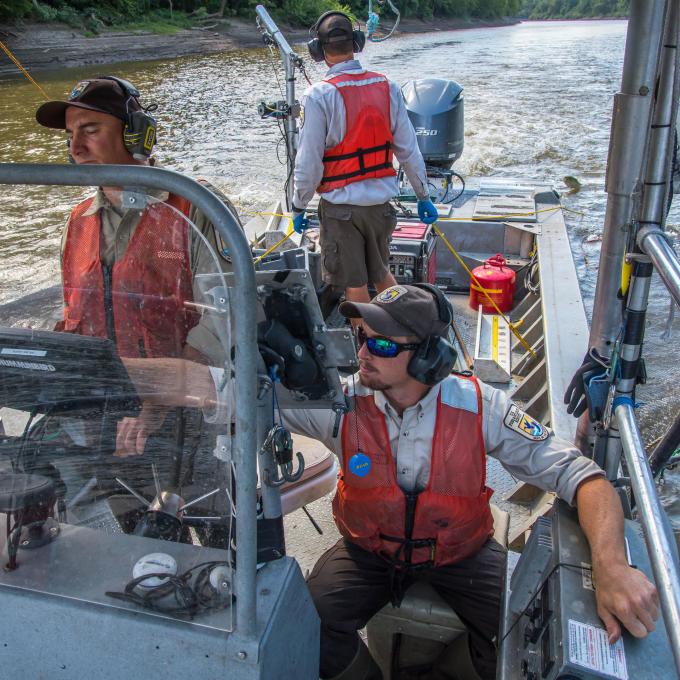
In 2020, the U.S. Congress greatly expanded the geographic scope of federal support for invasive carp management, charging the U.S. Fish and Wildlife Service with leading multi-agency efforts across all six sub-basins of the Mississippi River. Subsequently, Congress significantly increased the amount of funding authorized for this collaborative work. These actions fortified coordinated invasive carp management among state and federal agencies overall and facilitated more integration across both basins. Efforts in the Mississippi River basin complement and reinforce those of the Invasive Carp Regional Coordinating Committee to protect the Great Lakes.
2024
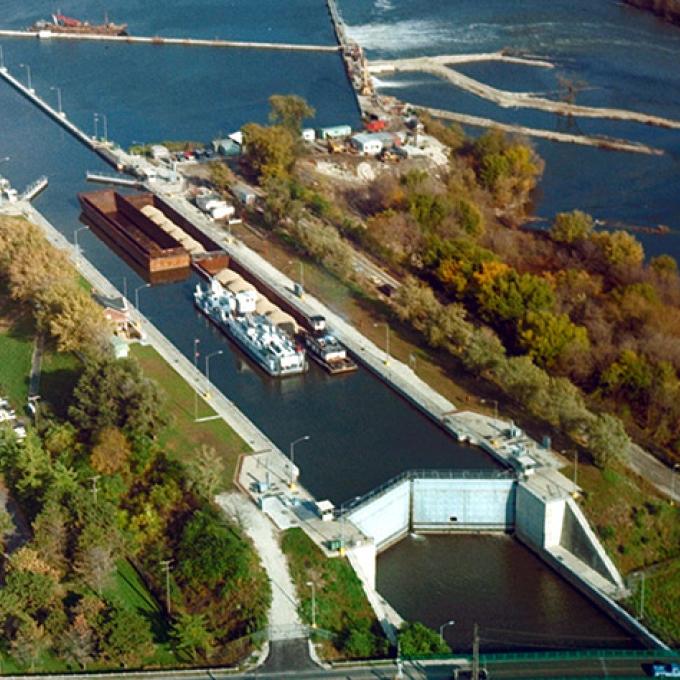
The construction phase began on a state-of-the-art, multi-layered deterrent project at the Brandon Road Lock and Dam on the Illinois River near Joliet, about 40 miles from Lake Michigan. The U.S. Army Corps of Engineers and the States of Illinois and Michigan are leading the development of the Brandon Road Interbasin Project. By integrating different deterrent technologies, this project is designed to create a more robust line of defense against the upstream movement of invasive species toward the Great Lakes. A number of the Invasive Carp Regional Coordinating Committee members’ technology research projects over the years helped inform its design.
Meanwhile, dozens of projects are underway to reduce the abundance of invasive carp populations, prevent them from spreading to new areas and apply new information to keep refining our collective efforts.
What has evolved since the early days of coordinated invasive carp management is an extraordinary level of state, federal and bi-national collaboration through the formation of wide-ranging partnerships, including the Invasive Carp Regional Coordinating Committee and its work to protect the Great Lakes.
Up and down the Mississippi River waterways and throughout the Great Lakes basin, we are working together across the waterscape to protect the environment, our favorite pastimes and our economic prosperity.